
.jpg)

A Guide to the Plumbing Takeoff Process and Estimating Workflow
According to an IBISWorld report, the U.S. plumbing industry generates an estimated $169.8 billion in annual revenue. But contractors are working under growing cost pressure, with fixtures, fittings, and trims becoming more expensive and material prices continuing to fluctuate.
That makes accurate plumbing estimating more important than ever, because an inaccurate estimate directly hits profitability.
A plumbing takeoff helps contractors measure and quantify plumbing materials, labor, fixtures, and systems needed for a project from construction drawings. These quantities then feed into the estimating process to calculate costs, labor hours, vendor costs, overhead, and the final bid price.
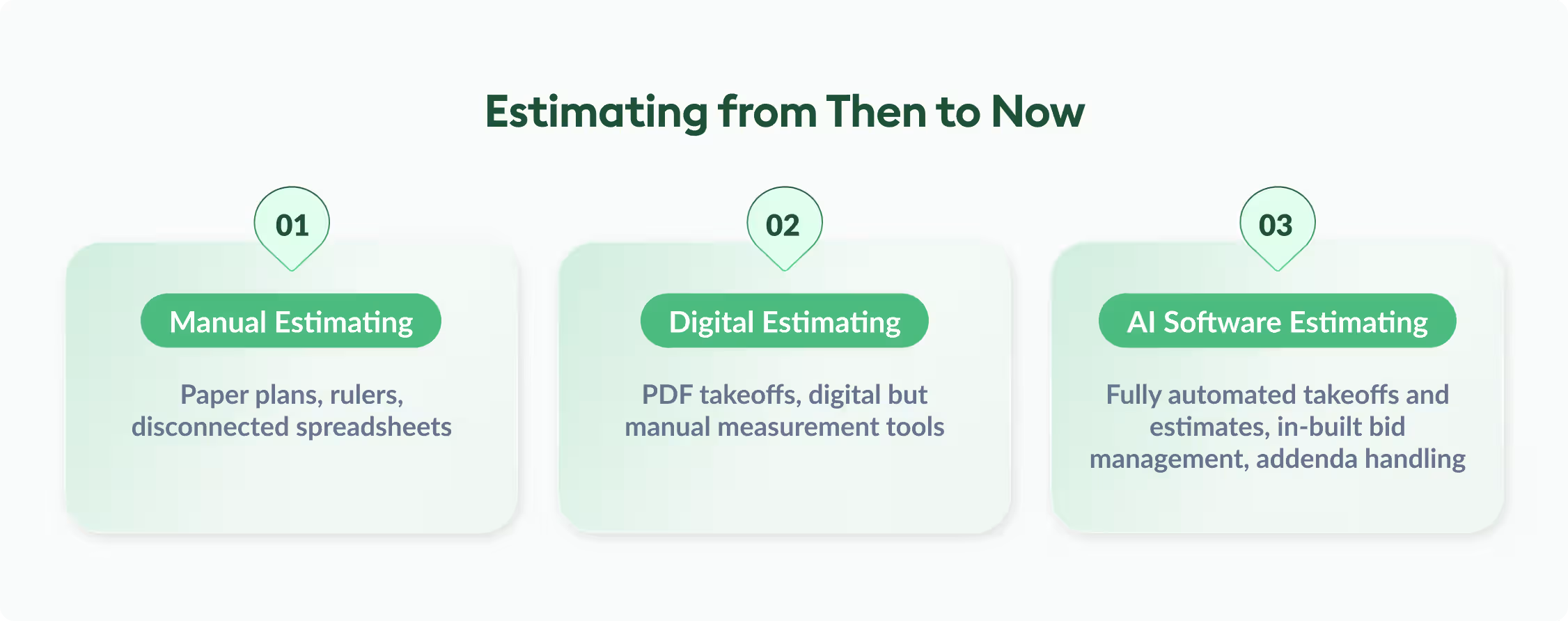
Traditionally, plumbing takeoffs meant working through printed blueprints with color-coded pens, calculators, and spreadsheets. And while experienced estimators can do this accurately, the process is still time-consuming and leaves room for human error.
AI plumbing takeoff software simplifies this process by automating measurements, identifying plumbing components from drawings, and generating estimate data in real time.
What Is Plumbing Estimating Software?
Plumbing estimating software is a tool that helps contractors calculate plumbing project costs by automating plumbing takeoffs, estimate generation, labor calculations, pricing, and bid generation.
Modern plumbing estimator software does much more than simple quantity calculations. Many platforms now include:
The best plumbing takeoff software standardizes your bids, reduces coordination issues between teams, improves bid confidence, and protects margins more effectively.
You can also explore how AI plumbing estimating software works in this related guide from Beam AI on how to perform a plumbing takeoff.
How Contractors Use AI Plumbing Estimating Software on the Job
Most contractors initially adopt plumbing takeoff software to get faster bids. But once they begin using AI-driven workflows, they quickly realize the benefits go much deeper.
Automated Plumbing Takeoffs
One of the biggest time drains in manual estimating is counting fixtures and measuring pipe lengths.
Imagine manually estimating a multi-story apartment complex. Every restroom group, water line, vent stack, and drainage run must be measured one by one. If the drawings change, the estimator often starts over.
AI plumbing takeoff software automates much of this process. The software scans digital plans, identifies plumbing systems, and automatically extracts quantities, so you can spend your time validating results and making strategic decisions.
Creating Plumbing Assemblies
Experienced estimators rarely think about plumbing systems as individual parts. They think in assemblies. For example, when estimating a floor-mounted water closet, the estimator already knows the installation includes supply piping, waste piping, fittings, valves, labor hours, and supports.
The new plumbing estimating software allows contractors to build these assemblies into reusable templates, helping create much faster and more consistent estimating workflows.
Real-time Pricing and Bid Updates
Material pricing changes constantly in construction, and copper, valves, fittings, and specialty equipment can fluctuate enough to completely affect profitability.
AI plumbing estimating software connects directly with pricing databases so estimates stay current. This reduces the risk of underbidding and improves bid accuracy.
Cloud-Based Estimating
Many estimating teams no longer work from a single office.
Cloud-based estimating platforms allow these teams to collaborate and review estimates simultaneously from different locations. Teams can view or even edit takeoffs, review revisions, and finalize bids much faster. The result is a much more scalable and efficient plumbing estimating workflow.
Why Plumbing Contractors Are Now Moving Toward AI Estimating Workflows
There is a reason AI adoption is accelerating so quickly in plumbing estimating.
Manual estimating simply struggles to keep pace with modern construction demands. Estimators are expected to produce highly accurate bids under increasingly tight deadlines.
AI changes the entire estimating dynamic. Instead of spending most of the day performing repetitive quantity measurements, estimators can rely on dedicated plumbing bidding software to focus on what actually matters:
- Reviewing project risk
- Validating system scope
- Adjusting labor assumptions
- Managing pricing strategy
- Improving bid competitiveness
This creates what we would like to call the Estimator Accuracy Cycle.
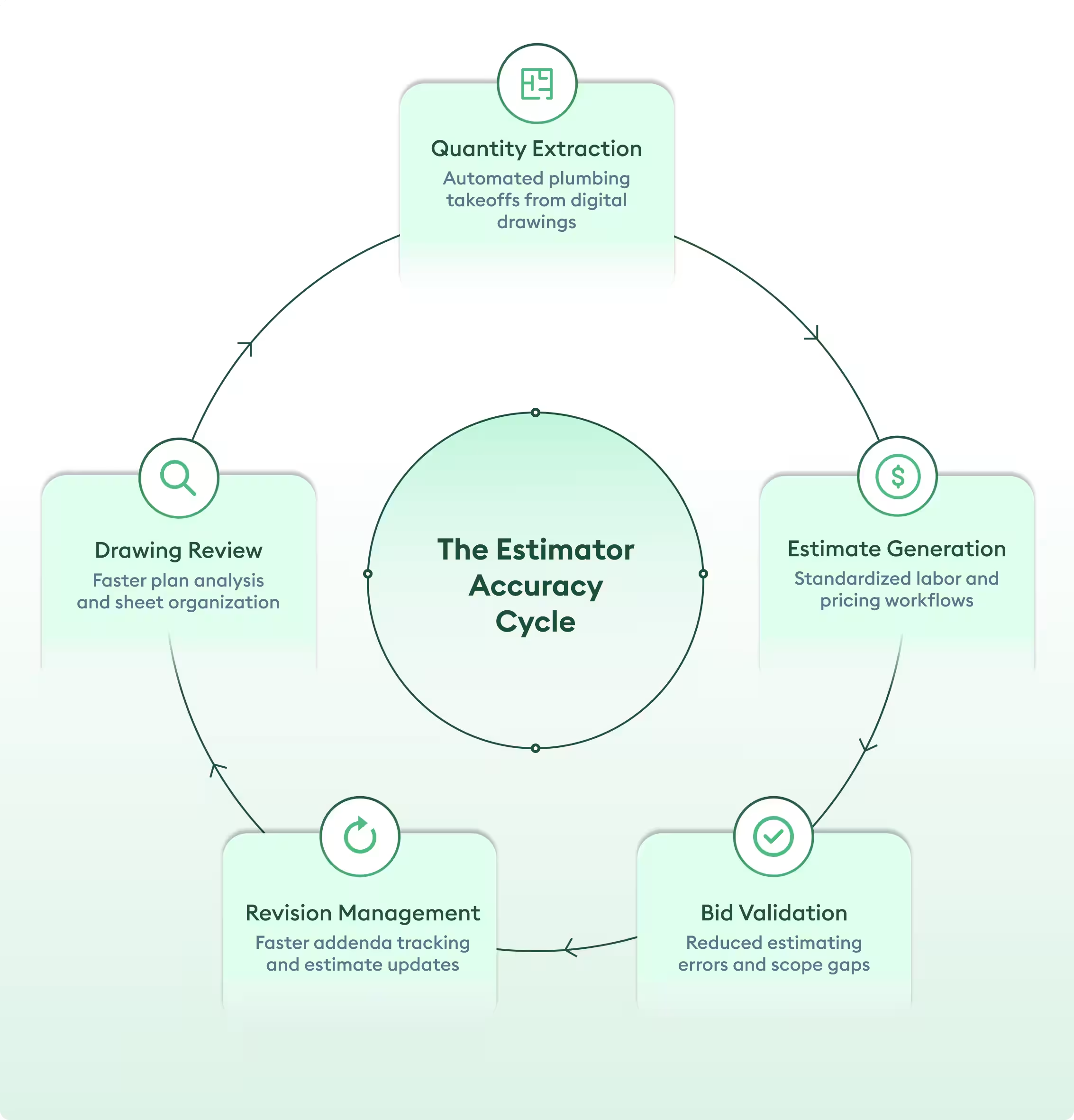
The result is not just faster estimating; it is more scalable estimating. See 3 plumbing bidding hacks that beat manual estimates.
Why AI Matters in Plumbing Takeoffs
The aim of AI in preconstruction is only to eliminate the repetitive manual work that slows estimators down, so that they have enough time to focus on everything else. It basically allows estimators to work more strategically.
That distinction matters because the most accurate estimates still require human judgment.
Think about a large hospital project with hundreds of plumbing fixtures, complex risers, medical gas systems, and multiple revisions. A manual takeoff could take days. And every revision introduces new opportunities for mistakes.
AI plumbing takeoff software can analyze those drawings far more quickly and consistently, leading to better bid confidence while majorly reducing estimating fatigue. This is why AI is becoming the estimator's second brain
Manual vs AI Plumbing Estimating
For contractors bidding multiple projects weekly, this time difference becomes massive.
Core Features of AI Plumbing Estimating Software
The biggest difference between traditional plumbing estimating tools and AI-powered platforms is that AI does not simply digitize the estimating process. It actively assists estimators throughout the workflow.
Instead of manually measuring, calculating, and organizing everything from scratch, estimators can work inside a system that automates repetitive tasks while still allowing full human control.
Automated Plumbing Takeoffs
Automated takeoffs are the foundation of all AI plumbing estimating software.
The platform scans digital plans and automatically identifies measurable plumbing components such as pipe lengths, fixture counts, valves, fittings, equipment schedules, drainage systems, vent systems, and gas piping.
This dramatically reduces manual measurement time and allows estimators to focus more on reviewing scope and validating quantities rather than tracing drawings for hours.
Labor Cost Estimation
Labor forecasting is often one of the hardest parts of plumbing estimating because productivity changes across projects, crews, and installation conditions. AI plumbing estimating software helps standardize this process by automatically applying labor units based on predefined production rates and assemblies.
Material and Unit Databases
Good plumbing estimator software includes standardized databases for pipe materials, fittings, fixtures, pumps, valves, specialty equipment, labor units, and supplier pricing.
So every time material costs change, estimators can work with real-time pricing data and standardized cost structures rather than manually updating spreadsheets. This helps reduce pricing inconsistencies between projects and improves overall estimate accuracy.
AI-Powered Suggestions
Some advanced AI plumbing takeoff software can identify missing scope items, flag unusual quantities, and compare projects against historical benchmarks before bids are finalized.
For estimators handling multiple projects under tight deadlines, this added layer of validation becomes extremely valuable because it improves bid confidence without slowing down the estimating process.
Step-by-Step Plumbing Estimating Workflow
Here is how modern contractors typically build plumbing estimates using AI takeoff software.
Step 1: Import CAD or PDF Plans
Modern AI software can process PDF drawings, CAD files, BIM exports, and multi-sheet plan sets. The estimator uploads either construction drawings in any one of the above formats into the takeoff and estimating platform.
The software then organizes sheets automatically and prepares them for takeoff.
Step 2: Define Plumbing Systems
Next, the estimator categorizes the systems being measured. This often includes:
- Domestic water
- Sanitary drainage
- Storm drainage
- Vent systems
- Natural gas
- Medical gas systems
This improves the organization of the estimate along with its reporting.
Step 3: AI Auto-Extracts Quantities
This is where the workflow changes dramatically compared to manual estimating. The AI scans plans and automatically detects measurable plumbing components, including pipe runs, fixtures, valves, equipment, fittings, and more.
And after that, the estimator validates and adjusts results.
Step 4: Apply Labor and Material Cost Rules
Once quantities are confirmed, the software applies the following based on your inputs:
- Material pricing
- Labor productivity rates
- Assemblies
- Overhead costs
- Markups
This converts the estimate into actual project cost data.
Step 5: Generate Estimates and Bid
Finally, the software generates quantity summaries, cost and material breakdowns, labor reports, bid proposals, and client-ready estimates for you.
What once required several disconnected spreadsheets now happens inside a single workflow, significantly shortening bid turnaround time.
Common Challenges in Plumbing Estimating
Even highly experienced plumbing estimators face recurring problems during takeoffs and bid preparation. And this challenge is usually the sheer amount of information estimators are expected to process within extremely limited timelines.
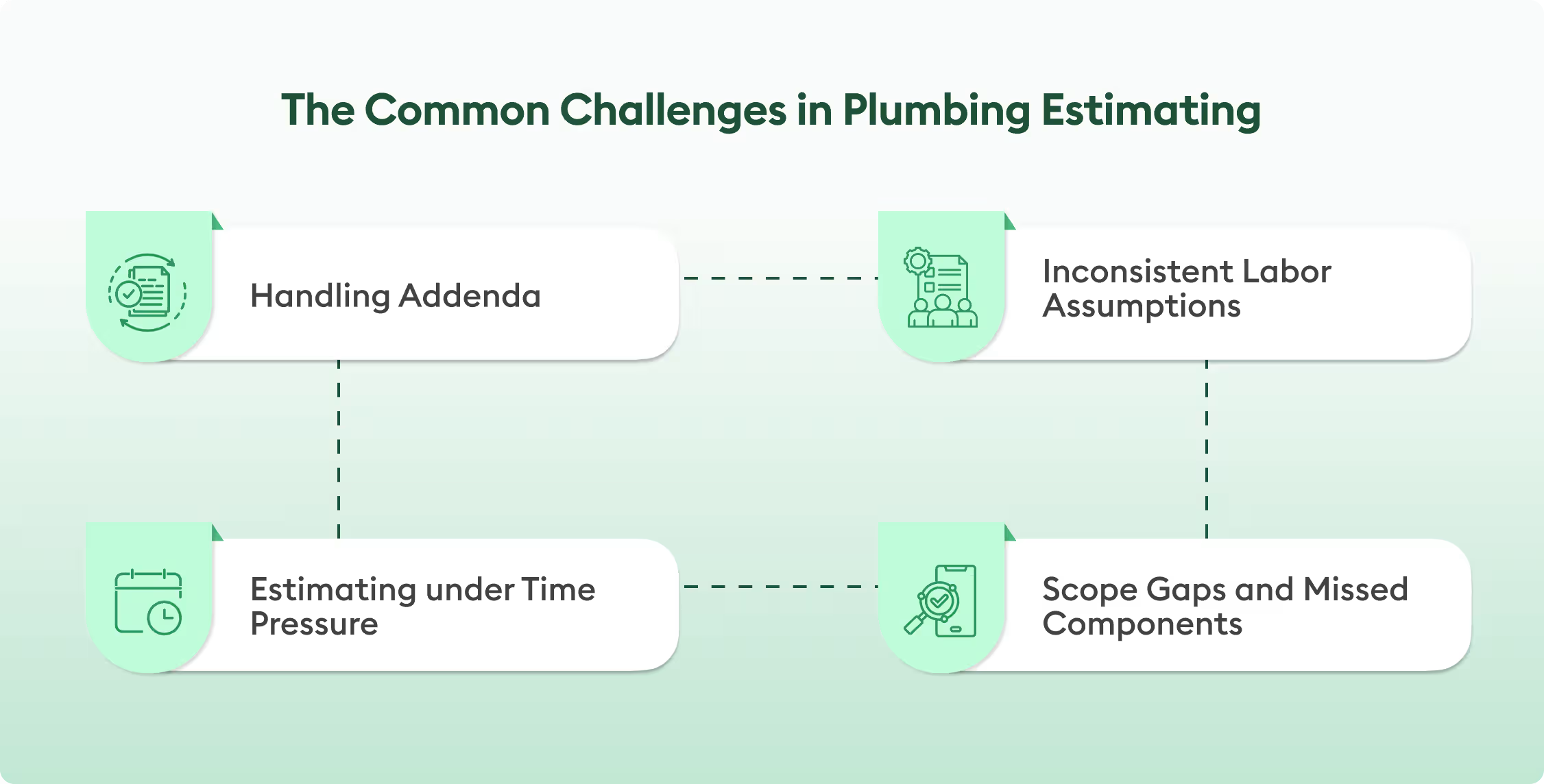
Handling Addenda
Addenda and revised sheets create constant risk.
Revised plumbing risers, fixture schedule updates, equipment modifications, and addenda can arrive right before bid submission. Missing even one revision can completely affect project costs and profitability. On large commercial projects, manually comparing revised sheets against older versions becomes extremely time-consuming and increases the likelihood of mistakes.
Modern AI systems help reduce this risk by automatically tracking revisions and highlighting drawing changes between versions, and then generating variance reports that show exactly what changed.
Inconsistent Labor Assumptions
Labor calculations often vary from estimator to estimator.
One estimator may apply aggressive productivity assumptions, while another may build in more conservative labor hours for the exact same system. And this can create inconsistent bids across projects.
AI-powered assemblies help standardize labor assumptions, making estimating workflows more predictable and scalable.
Scope Gaps and Missed Components
Manual takeoffs can sometimes overlook secondary or indirect components such as pipe supports, hangers, insulation coordination, specialty valves, access components, and much more. Even the pipe itself can be undercounted — here's why plan-view pipe length falls short of the real route once risers and offsets are added.
These omissions may seem small initially, but they can create major cost exposure once construction begins. AI-assisted workflows help reduce these gaps by organizing systems more consistently and improving estimate visibility.
Estimating Under Time Pressure
This is probably the biggest challenge estimators now face.
Many estimating teams handle multiple bids simultaneously while working against increasingly aggressive deadlines. Under pressure, even experienced estimators become more vulnerable to missed quantities and rushed calculations.
That is where AI plumbing takeoff software creates the biggest operational advantage. It removes much of the repetitive manual workload so estimators can focus on reviewing strategy, pricing, project risk, and lots more higher-value activities instead.
Benefits of AI Plumbing Estimating Software
The biggest advantage of AI plumbing estimating software is not just faster takeoffs. It is the ability to build a more repeatable, scalable, and reliable estimating workflow.
Better Bid Accuracy
Manual estimating naturally becomes more vulnerable to mistakes because of various factors.
AI-driven quantity extraction helps reduce manual counting errors while improving consistency across estimates. That added consistency becomes especially important for contractors bidding multiple large projects every month.
Faster Bid Turnaround
What previously took multiple days can often be completed within hours using AI-assisted takeoffs. This faster turnaround also allows contractors to respond to more bid opportunities without expanding their teams.
Higher Estimating Capacity
Many contractors reach a point where their estimating department becomes the bottleneck preventing growth.
AI plumbing estimating software helps teams process more drawing sets and pursue more projects without needing to increase staffing requirements.
Stronger Profit Protection
Accurate takeoffs directly affect profitability.
Missing fixtures, incorrect labor assumptions, or outdated material pricing can destroy project margins. AI estimating systems reduce these risks by standardizing workflows and improving pricing visibility.
Improved Collaboration
Some new age cloud-based estimating platforms allow teams to collaborate inside the same workflow so teams can review takeoffs, addenda, and pricing updates in real-time.
This creates a much more connected preconstruction process where there’s no need to work across disconnected spreadsheets and email chains.
Real-World Use Case for AI Plumbing Estimating Software
AI plumbing estimating software performs especially well on projects with repetitive systems, large drawing sets, or aggressive bid schedules.
Commercial buildings, hospitals, schools, multi-family housing projects, and industrial facilities all generate massive amounts of estimating data. AI helps contractors process that information faster while improving consistency across bids.
One such example is Harner Plumbing.
Like many growing plumbing contractors, Harner Plumbing faced increasing estimating pressure as project volume increased. Manual takeoffs were becoming difficult to scale efficiently, especially with tighter turnaround expectations and larger plan sets.
By implementing Beam AI’s takeoff platform, the company was able to significantly improve estimating speed and streamline its overall preconstruction workflow. Instead of spending large portions of the day manually measuring drawings, estimators could focus more on reviewing scope, validating quantities, and preparing competitive bids.
This reflects one of the biggest real-world advantages of AI plumbing takeoff software: it allows estimating teams to handle more work without sacrificing accuracy or overwhelming internal resources.
Top AI Plumbing Estimating Software Options
Different contractors prioritize different estimating needs.
Some focus on automation speed. Others prioritize customization, collaboration, addenda tracking, or supplier integration.
Platforms like Beam AI focus on AI-assisted takeoffs and estimates for all plumbing contractors, helping them bid 3X more and save 90% of the time they spend doing takeoffs.
Instead of functioning as just another takeoff software, it increasingly serves as an entire preconstruction workflow for plumbing contractors. Teams can generate AI plumbing takeoffs in as little as 10 minutes or receive fully reviewed takeoff results within 24-72 hours through a human-in-the-loop quality-check process with instant estimates that have margins, labor and material pricing clearly broken down. Beyond estimating, it also includes built-in bid management to help contractors organize and manage all their ITBs in one place.
How to Choose the Best Plumbing Software for Your Business
Choosing plumbing estimating software is not really about choosing software. It is about choosing how your estimating department will operate for the next several years.
That is why the decision should not begin with features. It should begin with workflow problems.
For example, some contractors struggle with slow bid turnaround times. Others deal with inconsistent labor calculations between estimators. Some teams lose time constantly managing revisions, while others simply need a better way to scale estimating capacity without hiring aggressively.
The best plumbing estimating software is the one that solves your biggest operational bottleneck first.
A smaller residential contractor may prioritize simplicity and speed because they need estimates completed quickly without a steep learning curve. A larger commercial or mechanical contractor may care more about multi-user collaboration, revision tracking, and integration with procurement or project management systems.
So, before choosing a platform, contractors should evaluate how estimating actually happens inside their company today.
Before selecting software, contractors should evaluate:
Another important factor is visibility.
Good estimating software should not hide information behind disconnected workflows or overly complex interfaces. Estimators should be able to clearly understand quantities, pricing logic, labor assumptions, and revisions without constantly jumping between systems.
And finally, contractors should remember that AI works best when it supports estimators, not replaces them.
The strongest estimating workflows still combine human judgment with automation. The software handles repetitive tasks, and the estimator handles strategy, scope review, pricing decisions, and bid confidence. That combination is where the real competitive advantage happens.
The Future of Plumbing Estimation With AI
The next generation of plumbing estimating software will likely become even more predictive.
AI systems are already beginning to:
- Forecast labor productivity
- Compare estimates against historical project performance
- Predict risk areas before bids are submitted
- Suggest value engineering alternatives
- Identify missing scope automatically
Over time, plumbing estimating platforms will evolve from simple takeoff tools into full preconstruction intelligence systems. And some software are already leading this shift, like Beam AI.
This shift is becoming increasingly important as labor shortages continue affecting construction productivity across the industry in the US.
According to research from Associated Builders and Contractors (ABC), workforce shortages remain one of the biggest challenges facing construction contractors today, making productivity-focused technology more valuable than ever.