



How to Choose Landscape Edging: Cost, Durability, and Installation
Landscape edging is a physical border used to separate different parts of a landscape project, such as grass, flower beds, mulch, gravel, and walkways. It helps keep materials in place while giving the finished space a clean, defined appearance.
The tricky part is choosing the right material.
Metal landscape edging, brick, concrete, natural stone, and wood all have different strengths. Some are inexpensive but need replacement sooner. Others cost more upfront but can stay in place for decades. Installation matters, too. A material that looks affordable by the linear foot can become expensive once trenching, base preparation, cutting, and labor are included.
This guide compares the most common landscape edging materials by cost, durability, maintenance, installation, and appearance so you can choose the right border for your landscape rather than simply choosing the cheapest option.
What Should You Consider When Choosing Landscape Edging?
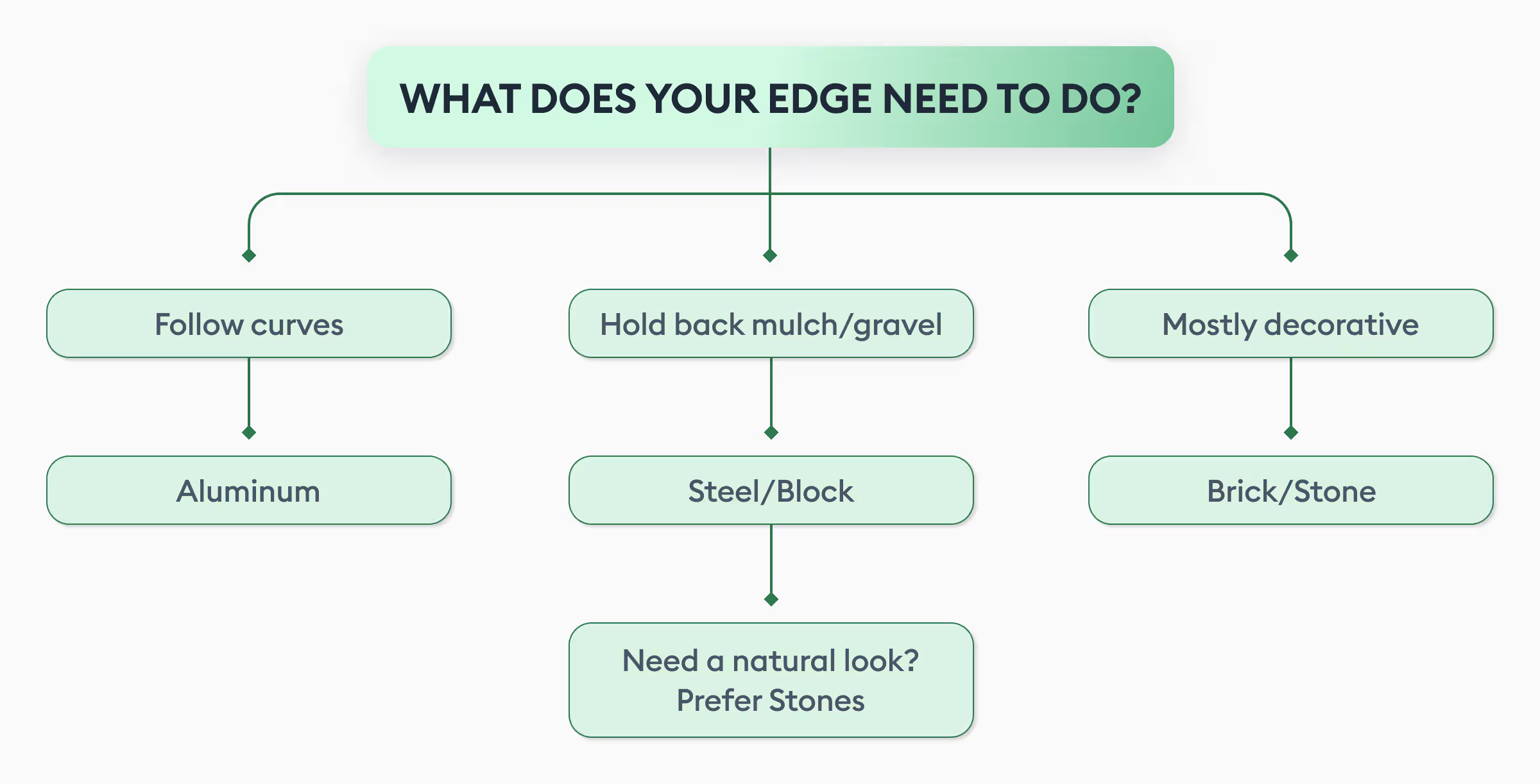
Before deciding between steel, brick, concrete, or stone, think about what the border actually needs to do.
A narrow edge around a flower bed has different requirements from an edge beside a gravel driveway. Likewise, a garden in a region with repeated freeze-thaw cycles may need a more carefully installed border than one in a mild climate.
Consider these factors first:
- Cost: Consider the cost of materials and installation per linear foot.
- Durability: Consider rot, rust, corrosion, cracking, and ground movement.
- Maintenance: Some of the materials will need to be reset, painted, or replaced from time to time.
- Shape: Flexible edging is better for curves, and rigid materials are better for straight lines.
- Function: Determine if the edge is decorative or if it needs to hold mulch, gravel, or soil.
- Appearance: The border should blend in with the house, planting style, and hardscape.
- Climate: Frost heave, heavy rain, and wet soil can affect long-term performance.
Landscape edging is usually measured by the linear foot, but the installation can make a big difference in the final cost. Current U.S. cost guides for material-only prices range from about $0.50 for cheap edging to $18 or more for high-end stone, while labor and site preparation can add substantially to the total.
For contractors pricing these borders as part of a bigger job, understanding how landscaping estimating and takeoff workflows account for material and labor helps turn per-foot pricing into an accurate bid. Commercial landscapers are increasingly automating that step — Monarch Landscape, for example, sends 40% more bids using AI-based property takeoffs that measure areas and quantities straight from imagery.
Is Metal Landscape Edging the Most Durable Option?
For homeowners who want a clean, narrow border that doesn't compete with the garden, metal landscape edging is one of the strongest choices.
Steel and aluminum are commonly used because they create a defined boundary without taking up much space. They're particularly useful when you want a straight line between lawn and a garden bed or need to keep mulch and gravel contained.
The University of Illinois Extension identifies steel and aluminum among the longest-lasting landscape edging options, although it notes that steel can be more difficult to install and may be affected by frost heaving.
Steel Edging for Landscape Borders
Steel edging landscape is a good choice when strength is more important than easy handling.
It works particularly well around:
- Driveways
- Gravel paths
- Large garden beds
- Long straight borders
- Areas exposed to lawn equipment
Steel provides a strong physical barrier and maintains a straight profile well. The tradeoff is weight and corrosion. Galvanized or coated steel can improve resistance to rust, but scratches or damaged finishes can expose the underlying metal.
Aluminum Landscape Edging
Aluminum is lighter and easier to handle than steel.
That makes metal edging for landscape projects with curves or complicated layouts easier to install. Aluminum can also resist rust, which makes it useful in damp areas.
The downside is that aluminum is softer. It can bend or dent more easily if struck by equipment or handled roughly during installation.
For a curved garden bed where corrosion resistance and easy installation matter, aluminum can be a better choice than steel.
Corten Steel for a Natural Look
Corten, or weathering steel, takes a different approach to corrosion. Instead of trying to maintain a pristine finish, it develops a weathered surface that becomes part of the design.
Its rusty brown appearance works particularly well with:
- Ornamental grasses
- Gravel
- Natural stone
- Contemporary gardens
- Drought-tolerant landscapes
It isn't the right choice if you want a bright, untouched metal appearance, but it can look excellent in landscapes where a natural, aged finish is desirable.
Is Concrete Landscape Edging Worth the Higher Installation Cost?
Concrete landscape edging is a good option when you want a substantial, permanent-looking border rather than a thin dividing line.
Poured concrete can create a continuous edge around a lawn, flower bed, walkway, or driveway. Precast concrete blocks offer a more modular alternative.
Concrete is durable and relatively low maintenance when installed properly, but it generally requires more prep work than metal edging.
Cost guides today estimate the materials for poured concrete edging at about $2–$7 per linear foot, exclusive of installation, which will add to the price considerably, depending on the site and design.
Where Concrete Edging Works Best
Concrete is particularly useful when:
- You want a continuous border.
- The edge needs to be clearly visible.
- You want a mowing-friendly border.
- The landscape has formal lines.
- You're willing to invest more in installation.
Poured concrete can also follow curves, which makes it more versatile than individual bricks or blocks for some layouts.
Advantages and Limitations of Concrete
The biggest advantage is its substantial appearance. A concrete border can visually connect a lawn with a patio, driveway, or other hardscape.
The downside is that concrete isn't particularly easy to relocate. If you redesign the garden later, removing a continuous concrete edge takes considerably more work than moving metal or individual bricks.
Concrete can also crack or shift if drainage and base preparation are poor. So while the material itself is durable, installation quality has a major influence on its lifespan.
When Should You Choose Landscape Stone Edging?
Landscape stone edging is a natural choice when you want the border to look like it belongs in the landscape rather than looking like an added product.
Fieldstone, granite, limestone, and other natural stones can create informal or highly structured borders depending on how they're selected and installed.
Natural Stone and Fieldstone
Fieldstone works particularly well in the following:
- Cottage gardens
- Woodland landscapes
- Naturalistic planting beds
- Rock gardens
- Informal flower beds
Each piece has its own shape, which creates a less uniform appearance than brick or concrete.
Stone is also highly durable. The challenge is installation. Heavy pieces require more effort to move, position, and level, and irregular shapes can make it harder to achieve a perfectly straight edge.
Stone Edging for Informal Gardens
If you're trying to create a relaxed garden rather than a formal one, irregular stone can be a better design choice than perfectly straight metal or concrete.
The tradeoff is cost and labor. Current cost guides place natural stone among the more expensive edging options, particularly when custom installation is involved.
Is Landscaping Wood Edging Still a Good Budget Option?
Landscaping wood edging remains popular because it is relatively affordable, easy to cut, and has a warm appearance.
Landscape timbers and treated lumber can create an attractive border around vegetable gardens, informal flower beds, and rustic landscapes.
Pressure-Treated Wood
Treated wood generally lasts longer than untreated wood in ground-contact applications, but it still isn't a permanent material.
Moisture, insects, fungal decay, and soil contact eventually take their toll. Landscape edging blocks are also treated as a separate parameter to keep ground applications permanent.
Wood, therefore, makes more sense when:
- Initial cost matters.
- A natural appearance is preferred.
- The garden may be redesigned.
- You're comfortable with periodic replacement.
The University of Illinois Extension notes that landscape timbers and treated boards can provide an attractive natural edging and hold their position well when properly reinforced.
Wood Edging Maintenance and Lifespan
Wood requires more attention than stone or metal.
Check it periodically for:
- Rot
- Splitting
- Loose connections
- Soil movement
- Insect damage
It's a good material for the right application, but it shouldn't be chosen with the expectation that it will last as long as steel or stone.
Which Landscape Edging Material Offers the Best Value?
.avif)
There isn't one material that's best for every landscape.
The most economical option depends on how long you expect the border to last, how difficult it is to install, and whether appearance or strength is the bigger priority.
The following ranges are indicative of material costs only and do not represent firm project prices. Actual costs will vary depending upon your location, the product, quantity, and the method of installation and site preparation.
Current cost guides have materials ranging from about $2-$6 per linear foot for steel/metal, $1.50-$5.50 for brick, $4-$9 for wood, $2-$7 for concrete and $3-$18 for stone.
How Does Climate Affect Landscape Edging Durability?
The material isn't the only factor determining how long landscape edging lasts.
Soil movement and moisture can be just as important.
Frost Heave and Ground Movement
In colder climates, freezing and thawing can push landscape edging upward or out of alignment. This is known as frost heave.
Rigid materials such as brick, block, concrete, and stone need a stable, properly prepared base to minimize movement.
Metal edging can also be affected. The University of Illinois Extension specifically notes frost-heaving concerns with steel edging and recommends proper installation and anchoring.
If your landscape experiences harsh winters, don't choose material based solely on its rated lifespan. Pay attention to drainage, soil conditions, installation depth, and anchoring.
Rust, Rot, and Corrosion
Different materials have different failure points.
Steel can rust if its protective coating is damaged. Wood can rot in prolonged contact with moisture. Concrete can crack.
Brick can deteriorate or shift. Stone generally avoids these issues but may move if the supporting base fails.
Durability is therefore a combination of material + installation + environment.
What Is the Best Landscape Edging for Mulch and Gravel?
The best border depends on what you're trying to contain.
Edging for Mulch Beds
For mulch, a low metal edge can provide a clean barrier between the bed and lawn without taking up much space.
Brick and block work well when you want the border to become a visible design element.
If the bed is sloped, a taller or more substantial border may be necessary to keep mulch from migrating downhill.
Edging for Gravel Paths
Gravel generally needs a stronger boundary because individual stones can spread into adjacent lawn areas.
Steel and aluminum are useful for narrow gravel borders, while concrete, block, and stone can provide a more substantial visual transition.
The key is to match the height and strength of the edge to the amount of material it needs to contain.
Which Landscape Edging Is Right for Your Project?
The best choice depends on what matters most to you.
Best Edging for Durability
If longevity is your goal, steel, aluminum, concrete, and natural stone are all top contenders when installed properly.
Steel is especially good for where you need strength at the border. Stone is a great natural material with a long life span.
Best Edging for Budget
Where initial material cost matters, brick, basic metal, and wood could be good options.
But don't just look at the price per foot. Installation and replacement costs can make a big difference to the economics.
Best Edging for Curb Appeal
Brick and natural stone are strong choices when the border is intended to be part of the visual design.
Corten steel is another option if you prefer a contemporary landscape with a weathered, natural finish.
Ultimately, the right landscape border edging should fit the job. A thin steel line may be perfect for a modern garden, while a stone border may look much better in a naturalistic yard.
The goal isn't to find the most expensive material or the material with the longest theoretical lifespan. It's to find the option that gives you the right balance of cost, durability, maintenance, installation effort, and appearance.
Final Takeaway
Landscape edging is one of those details that can make an outdoor space look either unfinished or carefully designed.
Metal landscape edging is a strong choice for clean, low-profile borders. Concrete works well when you want a substantial permanent edge. Brick adds traditional character, stone creates a natural look, blocks provide structure, and wood offers an affordable rustic alternative.
Before choosing, look beyond the material price. Consider the cost per linear foot, installation requirements, climate, soil conditions, expected maintenance, and how long you want the border to last.
The best edging isn't simply the material that lasts the longest. It's the one that performs well for the specific landscape you're building.