



The property manager gives the same 2,000 square foot interior painting job to two contractors; one quotes $4,800 and the other $6,900. In neither case is the figure inflated.
The difference is usually concealed in two lines that most homeowners never notice: prep and coats.
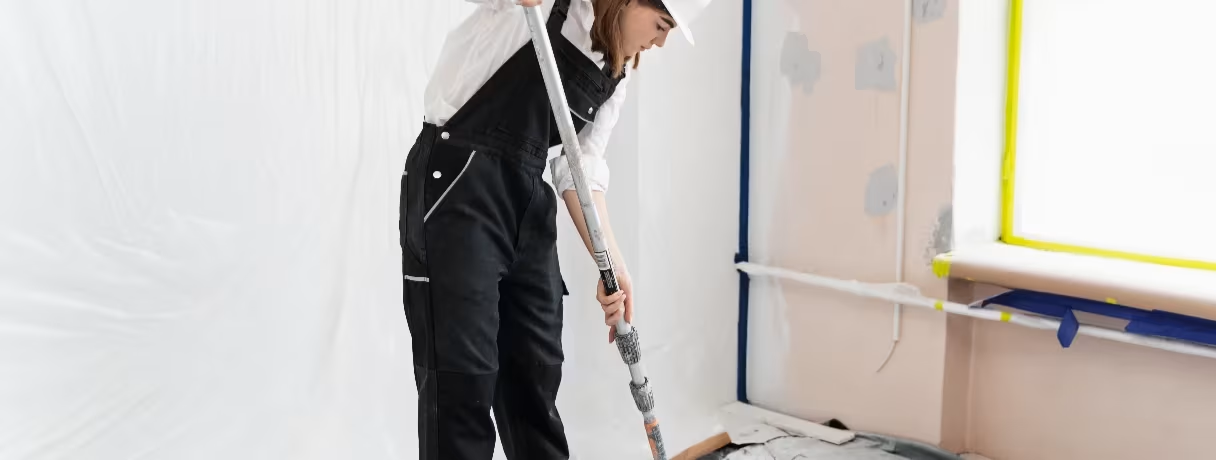
Prep is where the hours go
The painting itself is the quicker section. On an average repaint, the preparation work can account for [25-40%] of the total labour and differs greatly from one wall to another.
A spotlessly clean and well-maintained room requires only a light sanding and a few applications of caulk.
A room showing peeling paint, nail pops, water stains, and cracked corners must be scraped, patched, sanded and have spots primed before it can be brushed. It's the same square footage, but one of these jobs takes [one day] and the other takes [two and a half].
The exterior work is similar in that the time required for power washing depends on the amount of linear feet of siding, trim, and fascia that need cleaning, and surfaces which are heavily chalked or mildewed take longer to become ready for painting. On industrial jobs the specification might require abrasive blasting to a particular surface profile, which falls into a completely different labour category.
The finish for drywall is also important; a Level 4 finish is suitable in most cases when using flat paint. In order to achieve a perfectly smooth appearance either under gloss paint or when viewed with raking light, a Level 5 finish involves applying a skim coat to the whole surface, and that additional step can add one full day per room to the labour time and increase the total duration.
Coats multiply everything
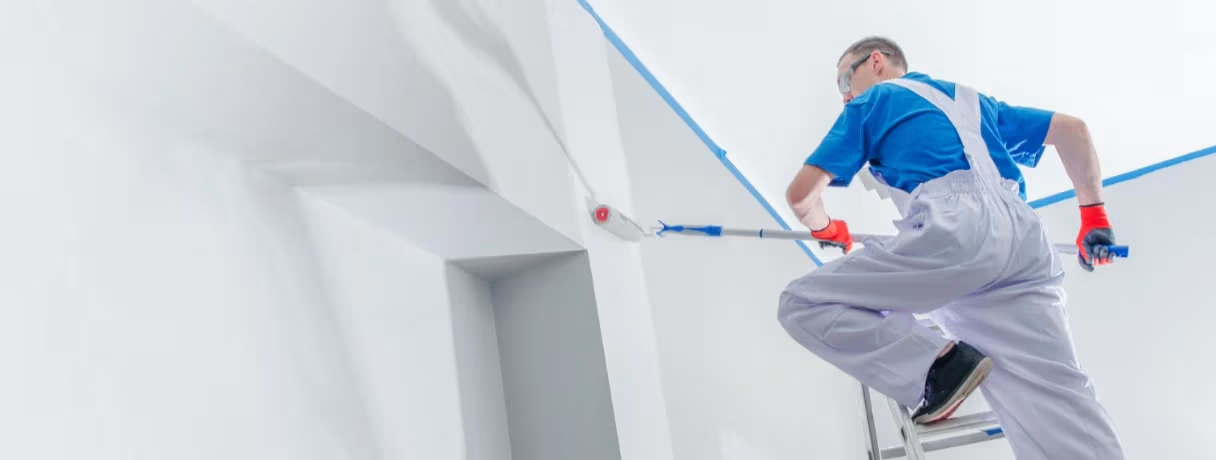
All coats require both paint and time; bare drywall and any fresh patches must be primed first since porous surfaces absorb the final paint unevenly and do not bond properly. As primer and finish are applied in separate stages, they should each be included in the estimate as individual items.
There's also the extra coat that no one anticipates. When going from a dark colour to a light one or covering up uneven or patchy areas, this usually requires a third coat. The effect of this on a job involving 2,000 square feet is as follows:
Two coats: about [10-12 gallons], [32 labor hours]
Three coats: about [15-18 gallons], [44 labor hours]
One of the decisions involves increasing the bid by approximately [700-900], and if you fail to include it, your so-called "competitive" price will result in a loss.
What a solid bid looks like
It is better to give detailed figures for the number of coats of primer, finish coat, preparation work, and quantities along with the labour hours rather than relying on a single general allowance. This approach also makes it easy when explaining to a client why your figure is higher than the lowest bid, and it helps to safeguard your profit if the surface ends up worse than it appeared.
Everything begins with taking accurate measurements—of the wall area, the ceiling area, the trim, and the openings.