
AI-Based BIM Construction Services | Beam AI
Fully-managed BIM services for all your construction projects
Beam AI handles the entire BIM workflow - from multi-trade modeling and coordination to AI-based BIM takeoffs, estimating, and BOQs - so your team gets accurate quantities, clash-free models, and build-ready outputs without manual rework.

What is BIM?
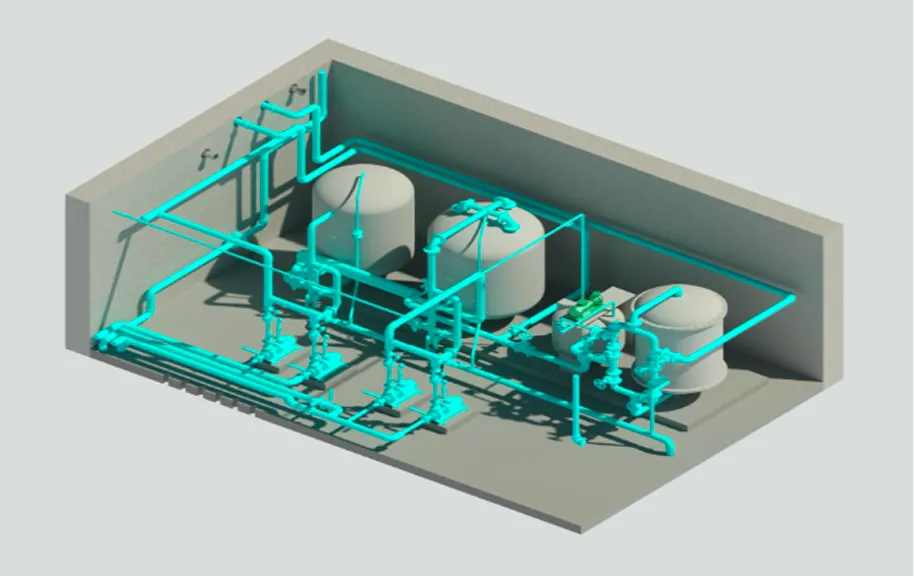
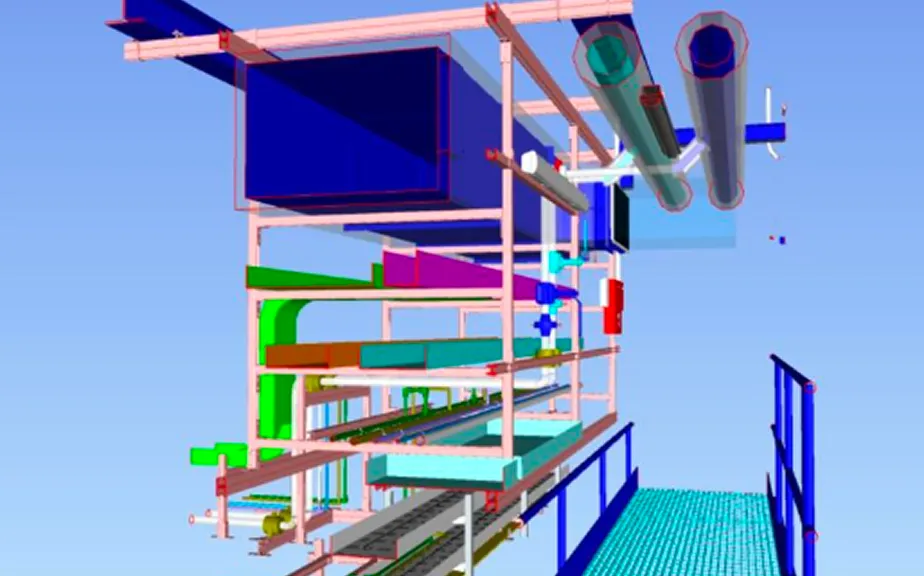
Building Information Modeling (BIM) is a digital way of planning, designing, constructing, and managing buildings using intelligent 3D models connected to real project data.
Instead of working with separate drawings and spreadsheets, BIM brings everything - geometry, materials, quantities, timelines, and costs into a single, coordinated environment that all stakeholders can access.
What you get with BIM by Beam AI

BIM modeling
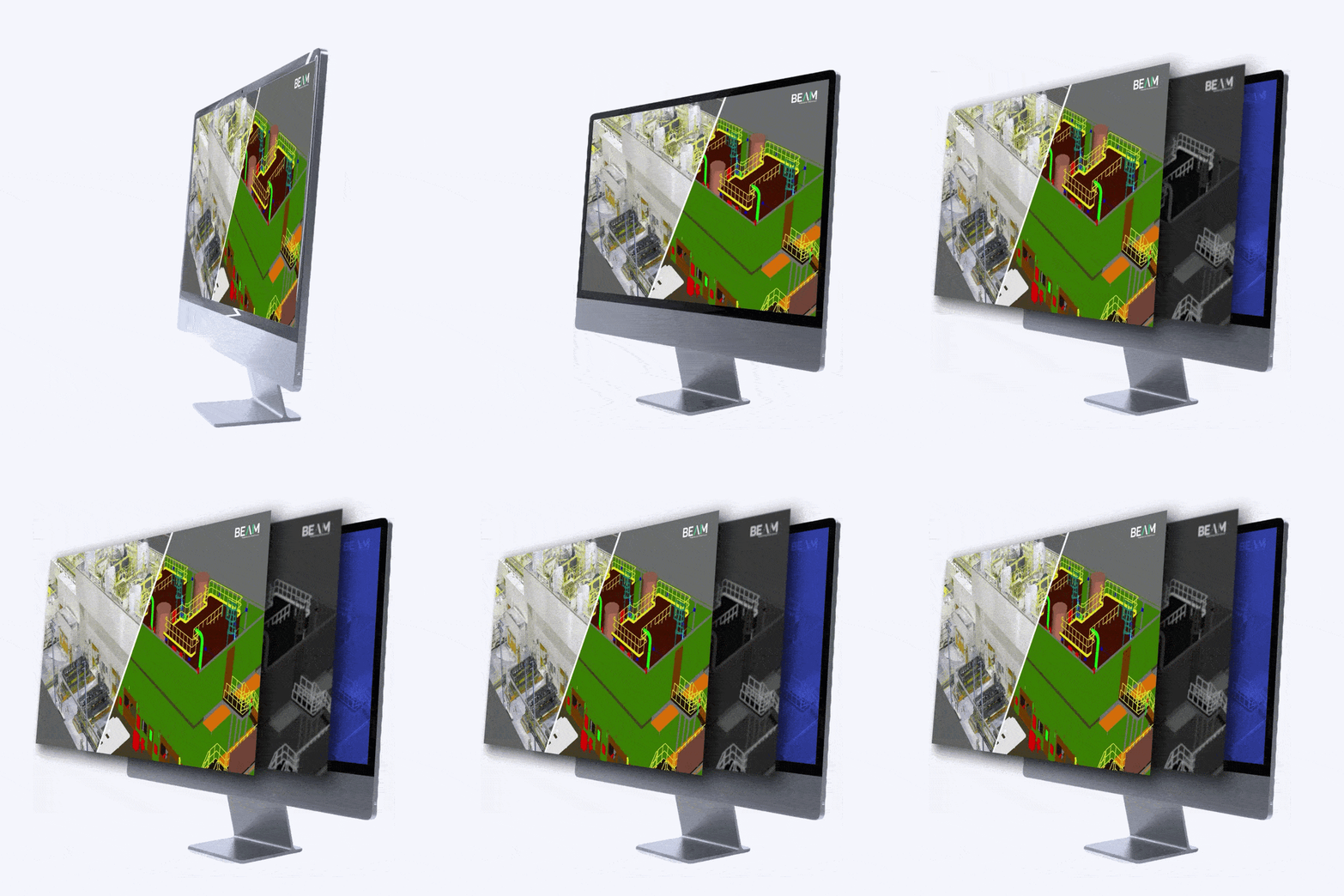
Includes 3D modeling of all trade features & elements
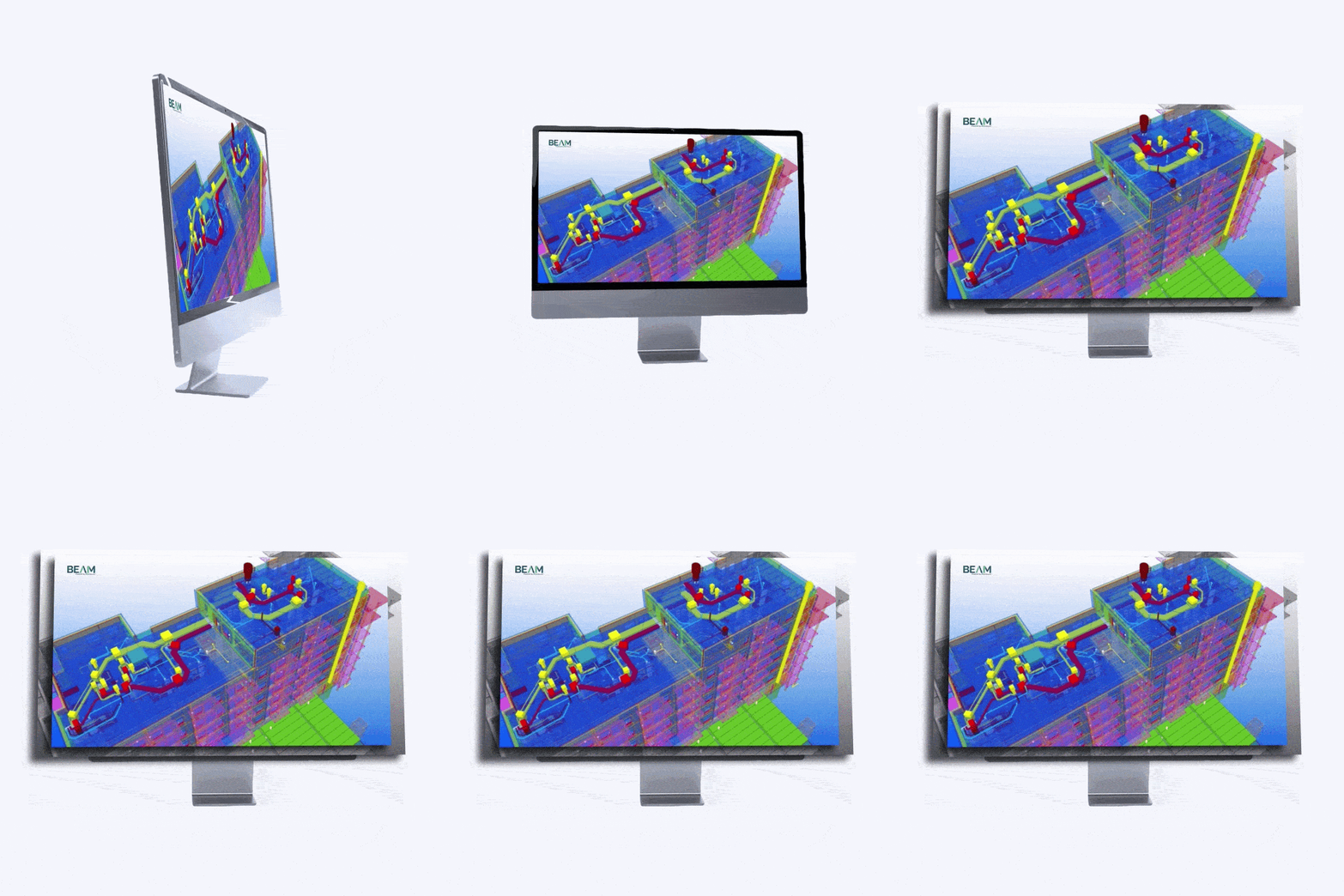

Parametric revit family creation
Custom component creation for reusable and intelligent BIM objects


Clash coordination
Conflict detection with constructability review to mitigate on-site issues
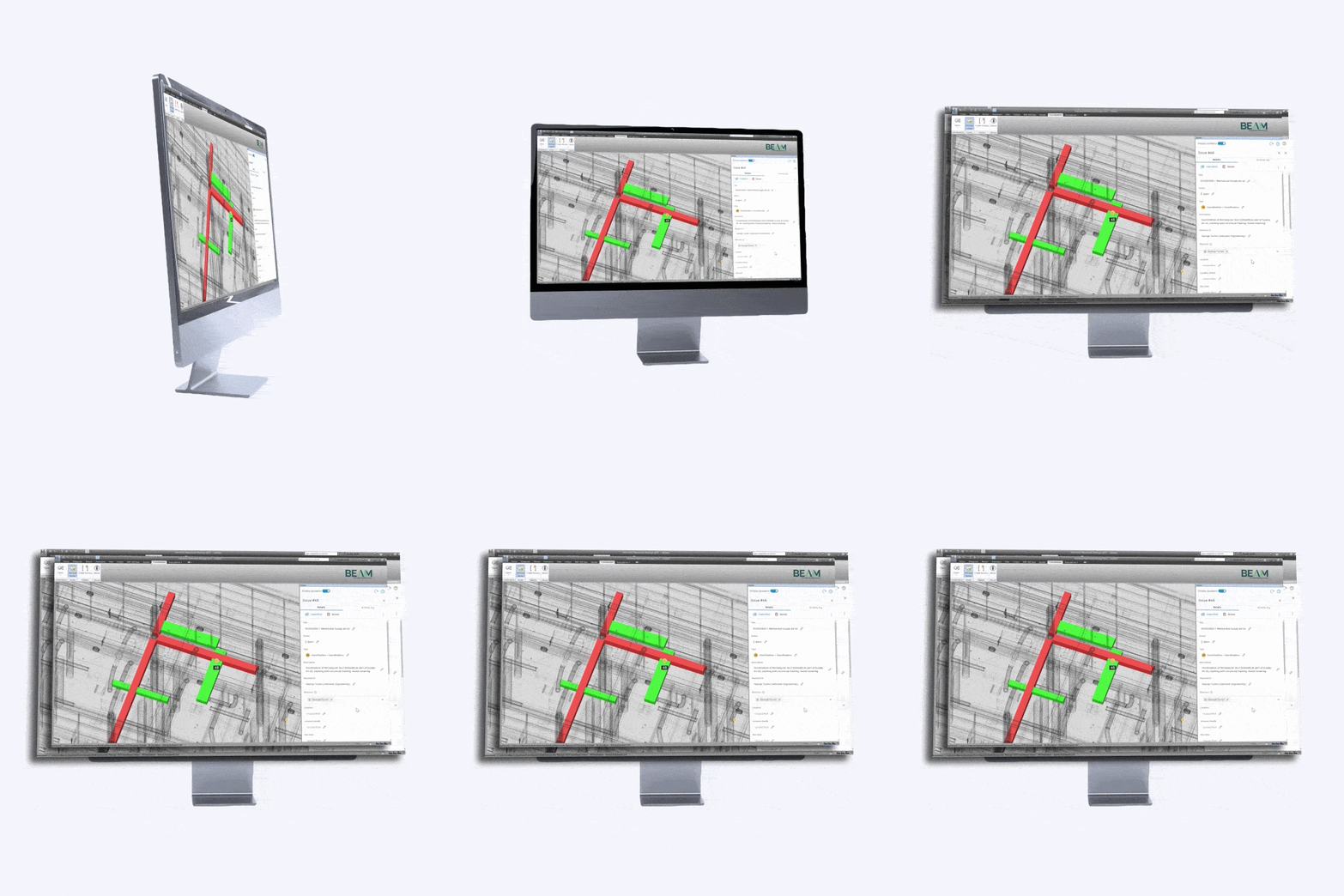

Sheet & BOQ generation
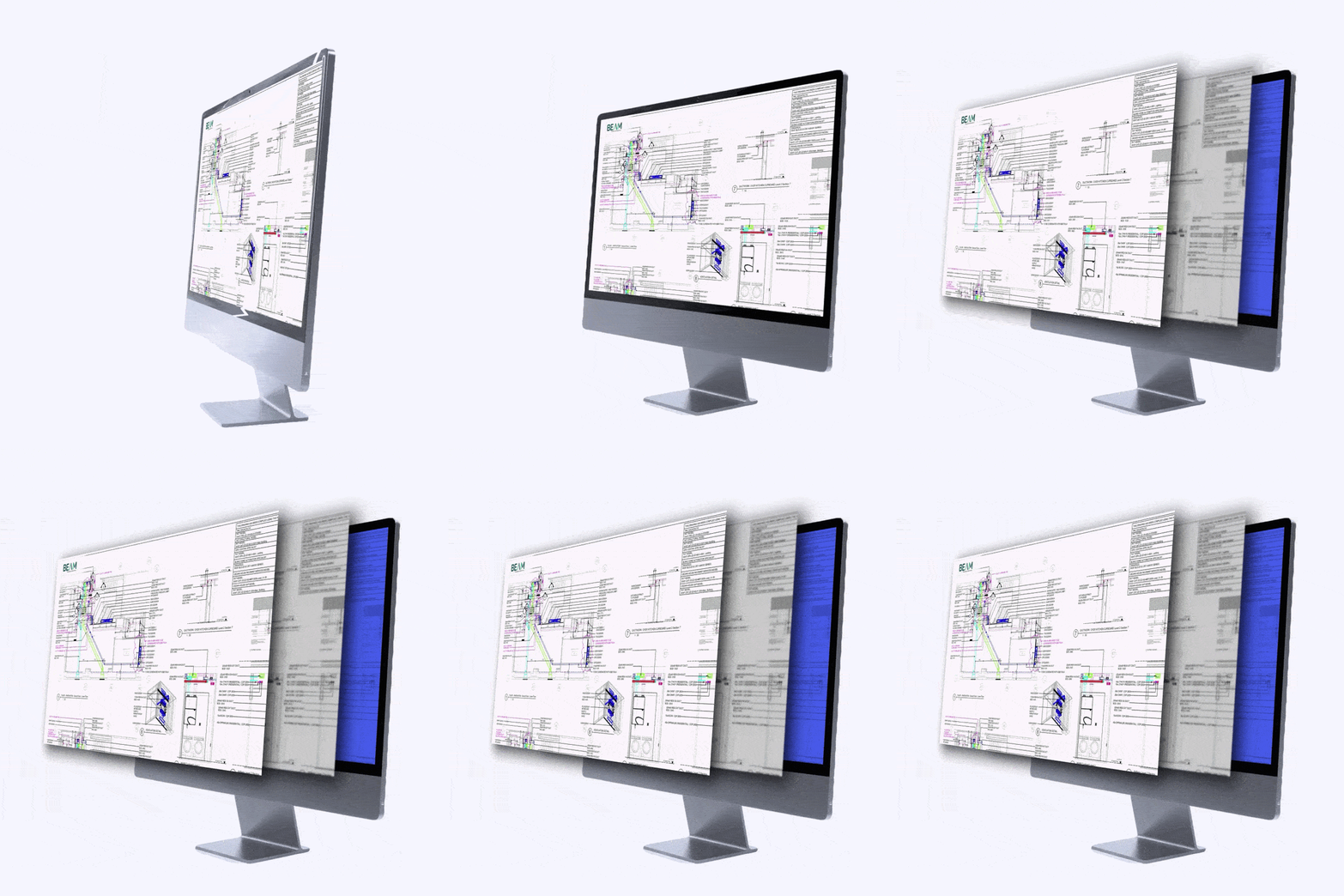
Automated generation of service sheets and accurate bills of quantities

BIM process implementation
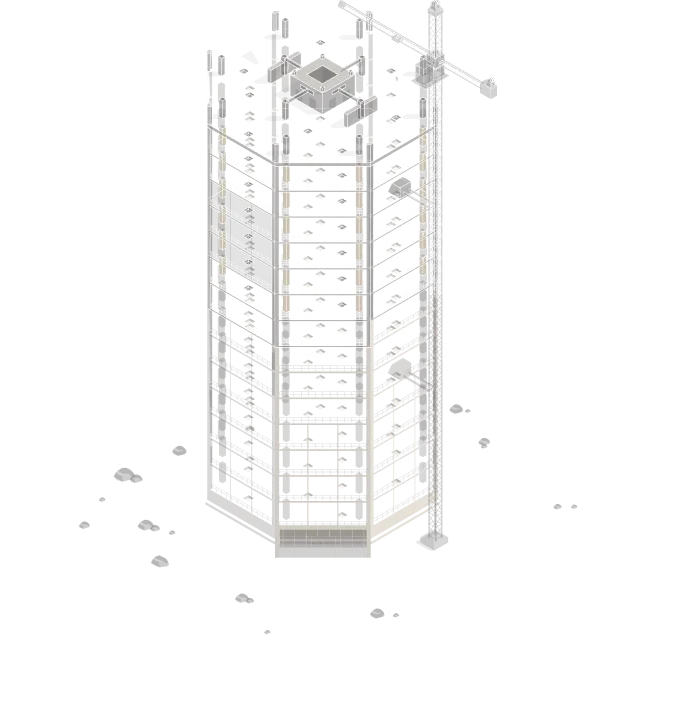
Strategic services to help integrate BIM workflows into your existing processes


As-built BIM modeling
Accurate modeling of trades as constructed for facility management
How our BIM coordination workflow works
A structured, step-by-step Building Information Modeling coordination process that ensures all models are aligned, conflicts are resolved early, and final outputs are ready for construction.

Data Collection
We gather architectural, structural, and MEP models and drawings to establish a complete and accurate project base.

Model Federation
All discipline models are combined into a single federated BIM model to enable full-project visibility and coordination.

Clash Detection
Develop precise structural models aligned with architectural and MEP systems, reducing conflicts and improving overall buildability.

Resolution & Coordination
Conflicts are reviewed with stakeholders and resolved through coordinated updates across all trade models.

Final Coordinated Model
A clash-free, fully coordinated BIM model is delivered - aligned for construction and ready for execution.
Fully managed BIM services
Pre-Construction
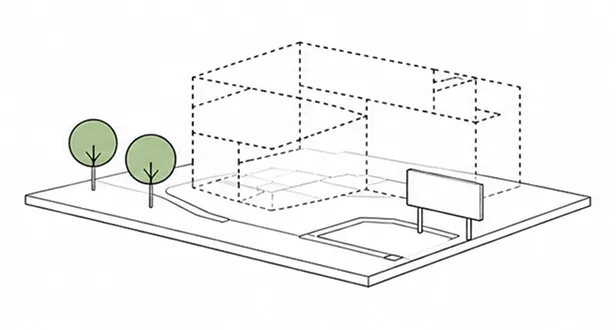
BIM strategy, BIM Execution
Planning, LOD definition, workflows, and platform advisory
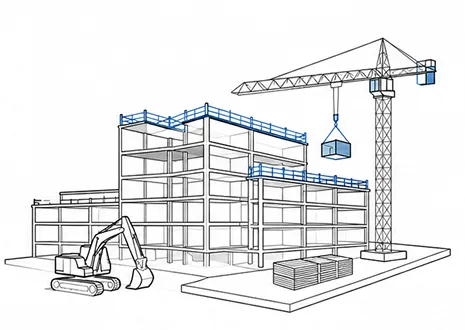
Construction
Coordination governance, process alignment, and change management support
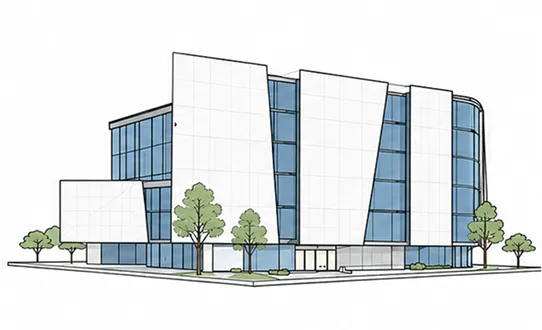
Post-Construction
BIM handover planning and information structuring for operations and asset/facility management
BIM Standards
Built on globally recognized frameworks
ISO 19650 Series
AIA BIM Standards
NBIMS-US (v4)
LOD Specifications
BIM services across multiple trades
Coordinated BIM modeling across all major construction trades - aligned for takeoff, BIM estimating, and execution.

HVAC BIM Modeling
Design and coordinate HVAC systems to optimize routing, improve performance, and eliminate on-site clashes with advanced BIM construction software.

Electrical BIM Modeling
Create detailed electrical layouts with accurate load data and routing using BIM software for construction, ensuring seamless coordination and efficient installation.

Structural BIM Modeling
Develop precise structural models aligned with architectural and MEP systems, reducing conflicts and improving overall buildability.

Plumbing BIM Modeling
Model piping systems with accurate slopes, connections, and clearances using BIM in construction workflows to avoid installation issues and minimize rework.

Architectural BIM Modeling
Build intelligent architectural models that define spatial layouts, materials, and design intent, enabling better coordination.

Civil BIM Modeling
Plan and model site infrastructure, grading, and utilities using BIM construction solutions to ensure smooth integration with building systems and site conditions.
FAQs
What is BIM takeoff?

BIM takeoff is the process of extracting quantities directly from a BIM model instead of measuring drawings manually. Since BIM in construction includes data for every element, you can generate counts, areas, and volumes much faster and with better accuracy. It’s a more reliable way to handle estimating compared to traditional methods.
What is BIM in construction, and how is it used?
BIM in construction is a way of creating a detailed 3D model that includes both geometry and data. Instead of working with separate drawings, teams use BIM construction models to plan, coordinate, and execute projects. It’s commonly used for design coordination, quantity takeoffs, and construction management throughout the project lifecycle.
How is BIM used in construction management?
BIM construction management relies on shared models to keep teams aligned. Project managers use BIM construction software to track progress, coordinate between trades, and manage changes. It helps ensure that everyone is working from the same information, which reduces delays and confusion on-site.
What are the key benefits of BIM in construction?
Some of the main benefits of BIM in construction include better coordination, fewer on-site errors, and more accurate quantities. Because everything is modeled upfront, teams can identify issues earlier and avoid costly rework. It also improves visibility across the project, making planning and execution more predictable.
What are the advantages of BIM over traditional methods?
Compared to traditional CAD workflows, BIM and construction work much more closely together. BIM gives you a data-rich model instead of just drawings, which means better visualization, more reliable takeoffs, and improved collaboration. It helps teams move from design to execution with fewer gaps.
Can BIM be used for residential construction?
Yes, BIM for residential construction is becoming more common. It helps builders manage layouts, coordinate different systems, and generate quantities more accurately. Even for smaller projects, BIM construction workflows can reduce errors and improve overall efficiency.
What BIM construction services does Beam AI provide?
Beam AI offers end-to-end BIM construction services, including multi-trade modeling, coordination, clash detection, and BOQ generation. It also connects BIM takeoff and BIM estimating, so teams can move from models to quantities and cost insights without switching between tools.
What is the difference between BIM and CAD in construction?
CAD is mainly used for creating drawings, while BIM construction software is used to build intelligent 3D models. In BIM, every element has data attached to it, which supports coordination, takeoff, and estimating. That’s why BIM software for construction is more useful for modern project workflows.
What file formats does BIM construction software support?
Most BIM construction software supports formats like RVT, IFC, and DWG. These formats allow teams to share and work on models across different platforms. This flexibility is important for collaboration, especially when multiple stakeholders are involved in a project.
How does Beam AI BIM takeoff compare to other BIM tools?
Many BIM tools focus only on modeling, but Beam AI connects BIM takeoff and BIM estimating in one workflow. This reduces manual effort and improves accuracy since quantities are directly linked to the model. It also helps teams move faster from design to execution.
Is BIM construction software suitable for small contractors?
Yes, BIM software for construction can be useful even for smaller contractors. It helps improve accuracy, reduce rework, and keep projects organized. As tools become easier to use, more small and mid-sized teams are adopting BIM construction workflows.
.webp)
